

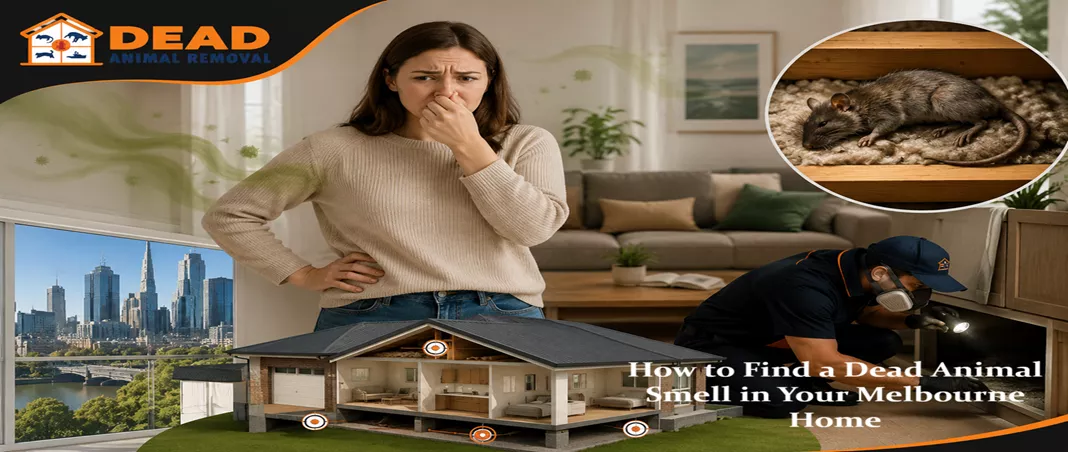
Imagine coming home after a long day, only to be greeted by a foul odour that makes you wrinkle your nose and wonder, “Where’s that dead animal smell coming from?” You’re not alone. Many Melbourne homeowners face this unpleasant scenario, often without knowing how to track down the source. In this guide, we’ll explore how to find a dead animal smell in your Melbourne home and provide practical solutions to resolve the issue.
Melbourne, with its unique climate and abundant animal species, often presents homeowners with the challenge of a decomposing animal becoming trapped within the walls, crawlspaces, or attics. If left unchecked, the stench can linger for weeks, making daily life uncomfortable. In fact, dead animal odours are one of the most common complaints among residents seeking dead animal smell removal services.
This article will guide you through the steps to locate the source of the odour, ranging from identifying telltale signs to utilising professional services. We’ll share expert tips on how to detect and eliminate the smell effectively, ensuring your home remains comfortable and odour-free.
By the end of this guide, you’ll have the knowledge to either resolve the issue yourself or know when to call in professional help. So, let’s get started with identifying the source of the smell.
Identifying the Source of the Smell
Finding the origin of a dead animal smell in your Melbourne home can be challenging, especially if the source is hidden behind walls or in hard-to-reach areas. Knowing where to look and what signs to spot can save you time and distress while effectively removing the odor.
Where to Look for the Source
To locate the source of the smell, start by checking common hiding spots such as attics, basements, and crawl spaces. Small animals often get trapped in these areas, reliable to unpleasant odors as they decompose. Also, inspect behind large appliances and inside vents where animals might have sought warmth or shelter.
Signs to Identify an Animal Odor
Pay attention to distinctive animal odors that differ from regular household smells. A strong, pungent scent often indicates decomposition. Additionally, look for physical signs such as stains on walls or floors, which can suggest the presence of a decomposing animal nearby.
Resources to Assist Detection
Using animal odor detection resources can help pinpoint the source. Consider investing in an electronic odor detector, which can help trace the scent’s intensity to its origin. Alternatively, professional smell removal services in Melbourne use focused resource to locate and eliminate these odors effectively.
 Common Areas to Check
When trying to locate a dead animal smell in your Melbourne home, it’s crucial to know where to start your search. Below, we explore the most common areas where deceased animals might be hidden, causing unpleasant odors.
1. Attics and Roof Spaces
Attics and roof spaces are prime spots for animals like rats, possums, and birds. These areas provide shelter and often go unnoticed by homeowners. Check for any droppings, nests, or chewed insulation as these are signs of animal activity. In Melbourne, possums often seek refuge in roofs during colder months.
2. Wall Cavities
Animals can easily access wall cavities through small gaps or vents. If you notice a persistent smell and can’t find its origin, consider these hidden spaces. You might need to remove a section of the wall to pinpoint the location. Using professional odor detection resource can also be helpful to locate dead animals in walls effectively.
3. Basements and Crawl Spaces
Basements and crawl spaces are less frequented, making them accessible to animals. Look for signs of entry points such as holes or broken vents. Dampness in these areas can accelerate decomposition, intensifying the smell. Melbourne’s humidity can exacerbate these conditions, making regular checks important.
4. Under Decks and Porches
Small animals often hide under decks and porches. These areas offer protection from predators and weather elements. Inspect for disturbed earth or debris as indicators of animal presence. In some cases, you may need professional help to safely remove the remains and disinfect the area.
5. Garages and Sheds
Garages and sheds, filled with clutter, provide ideal hiding places. Check behind stacked items and inside storage boxes. During Melbourne’s winter, animals may seek warmth here, reliable to unfortunate deaths and resulting odors.
By systematically inspecting these common areas, you can efficiently identify and address the source of any unpleasant animal odor in your Melbourne home. If you’re unsure about handling it yourself, consider hiring professional services for a thorough inspection and odor resolution.
Understanding the Smell
Detecting a dead animal smell in your Melbourne home can be unsettling. Recognizing the specific characteristics of this odor is the first step to addressing it. Typically, a deceased animal aroma is a pungent, decaying scent that may resemble rotten eggs or sulfur. The smell intensifies in warmer weather, which is common in Melbourne, especially during summer months when temperatures soar.
What Causes the Smell?
The primary cause of this unpleasant scent is the decomposition process. As the animal’s body breaks down, it releases gases like putrescine and cadaverine, which are responsible for the foul odor. The smell can become stronger if the carcass is located in a confined area like a wall cavity or attic space.
Common Locations for Animal Carcasses
Animals often find their way into inaccessible areas of homes, making them difficult to locate. In Melbourne homes, decomposing animal aroma is frequently found in wall voids, ceiling spaces, and beneath floorboards. Rodents, possums, and birds are common culprits, often seeking shelter in these secluded spots.
Why It’s Important to Identify the Source
Identifying the origin of the bad smell is crucial not just for your comfort, but also for your health. Decomposing animals can attract pests and spread bacteria, reliable to potential health hazards. Furthermore, failure to address the issue promptly can lead to ongoing odor problems, impacting your living environment.
When to Call a Professional
If the smell persists and you’re unable to locate the source, it may be time to seek professional help. Expert smell removal services in Melbourne have the resources and skilled to find and remove animal remains efficiently. For a deeper look into expert services, consider checking out this ultimate local service guide.
Duration of the Smell
Determining how long a dead animal smell might linger in your Melbourne home can be tricky. Typically, the duration of the smell depends on several factors, including the size of the animal, the location of the carcass, and the environmental conditions like humidity and temperature.
How Long Does the Smell Last?
On average, the odor from a decomposing animal can persist for about one to three weeks. Larger animals, such as possums or rats, may emit a stronger odor that lasts longer. Temperature and humidity also play significant roles; warmer and more humid conditions accelerate decomposition, intensifying the odor. Melbourne’s variable climate, particularly in summer, can enhance these effects.
Factors That Affect Smell Duration
The location of the dead animal also influences how long the smell lasts. If the animal is trapped within walls, under floorboards, or in attics, the odor might be more concentrated and harder to dissipate. In contrast, if the animal is in a more ventilated area, the smell may fade faster. Furthermore, the state of decomposition when discovered will affect how long the smell lasts. Early detection typically results in quicker odor resolution.
For quicker odor resolution, consider using professional smell removal services in Melbourne to effectively address and eliminate the source of the odor.
Methods to Reduce the Smell
There are several methods to reduce the lingering odors from a dead animal. Increasing ventilation by opening windows and using fans can help disperse the smell. Additionally, utilizing odor neutralizers and air purifiers can significantly mitigate the scent. However, these methods only mask the issue temporarily, and it’s essential to locate and remove the dead animal for permanent odor elimination.
Addressing the dead animal smell promptly is crucial in maintaining a healthy indoor environment. For those struggling to locate or handle the situation themselves, consulting with professional services is recommended to ensure the complete removal of the odor’s source and prevent any further complications.
Health Risks Associated with Dead Animal Smells
Discovering a dead animal smell in your Melbourne home is more than just unpleasant; it’s a potential health hazard. These odors often indicate the presence of bacteria and harmful pathogens that can impact your wellbeing.
What Health Risks Are Involved?
When an animal dies, it begins to decompose, releasing volatile organic compounds (VOCs) into the air. These compounds can irritate the eyes, nose, and throat, and in some cases, cause respiratory issues, especially for those with pre-existing conditions like asthma. Additionally, the bacteria involved in decomposition can lead to infections if ingested or if they come into contact with open wounds.
Can Dead Animal Smells Cause Long-term Health Issues?
Prolonged exposure to the foul odors from decomposing animals can lead to chronic respiratory problems. According to a study from the Journal of Environmental Health, exposure to high levels of VOCs can increase the risk of developing long-term respiratory issues. The presence of dead animals can attract secondary pests, such as flies and maggots, which carry additional health risks.
How to Mitigate Health Risks
To mitigate these health risks, it’s crucial to locate the source of the smell swiftly. Engaging professional dead animal removal services ensures thorough cleaning and sanitization, reducing the risk of lingering bacteria and odor. These professionals not only remove the carcass but also treat the area to prevent future occurrences.
If you’re dealing with persistent dead animal odor, it’s professional to address the issue promptly to protect your health and maintain a safe living environment.
Removing the Dead Animal and Odour
Finding a dead animal smell in your Melbourne home can be distressing, but removing the carcass and lingering odor doesn’t have to be daunting. Here’s how to tackle it effectively.
Locate and Remove the Carcass
The first step in dead animal smell removal is to pinpoint the source. Begin by inspecting common hiding spots such as attics, crawl spaces, and walls. Ensure you wear protective gloves and a mask. Once located, carefully remove the carcass, ensuring not to damage surrounding structures.
Clean and Sanitize the Area
After removal, thoroughly clean the area to eliminate any remaining bacteria and odor. Use a mixture of water and a strong disinfectant. This is crucial to prevent any health hazards. Some homeowners prefer focused smell removal services in Melbourne for a more comprehensive clean.
Deodorize the Affected Area
Even after cleaning, odors can linger. Apply a professional odor neutralizer to the affected area. These products are designed to break down the odor-causing molecules rather than just masking the scent. Consider using air purifiers to improve air quality throughout your home.
Pro Tip: A mixture of white vinegar and baking soda can serve as a natural deodorizer. Just sprinkle the baking soda, let it sit, and then spray vinegar over it. This solution is particularly effective for carpets and fabrics.
Prevent Future Incidents
To deter animals from entering your home, seal all entry points and trim tree branches near your roof. Regular maintenance and inspections can help identify potential problems early. For more detailed pest prevention strategies, consider exploring quality pest control methods.
Dealing with a dead animal inside your home can be unpleasant, but with these steps, you can efficiently remove the source and restore your home to its fresh state, free from unwelcome odors.
Professional Services in Melbourne
When it comes to detecting and removing a dead animal smell in your Melbourne home, professional services can be a game-changer. These experts use effective approaches to not only locate the source but also eliminate odors effectively. Here’s what you need to know about professional odor removal services in Melbourne.
Why Hire a Professional?
Professional services offer more than just a quick fix. They use focused resource to find the source of bad smell and ensure complete elimination. This can be particularly useful in older homes where dead animals might be in hard-to-reach areas like walls or attics. Hiring a professional also means you don’t have to deal with unpleasant tasks yourself.
What Services Are Offered?
- Odor Detection: Experts use resources like thermal imaging and moisture meters to locate hidden animal remains.
- Dead Animal Removal: Technicians will safely remove the carcass to prevent contamination and additional odor issues.
- Odor Neutralization: Using professional deodorizers, professionals eliminate house odor sources effectively.
- Preventive Measures: Some services include recommendations for preventing future issues, such as sealing entry points.
Cost and Availability
Professional services in Melbourne are generally available same-day or by appointment, making them convenient for urgent cases. The cost for dead animal smell removal varies depending on the complexity of the job, starting from around A$200. It’s essential to get a detailed quote before proceeding.
Preventing Future Incidents
Dealing with a dead animal smell in your Melbourne home can be unpleasant, but there are proactive steps you can take to prevent future incidents. By implementing these strategies, you can maintain a fresh and odor-free living environment.
Seal Entry Points
To prevent pests from entering your home, it’s important to identify and seal any potential entry points. This includes cracks in the foundation, gaps around doors and windows, and openings around utility lines. Using durable materials like steel wool or silicone sealant can effectively block these access routes, keeping animals out.
Maintain a Clean Environment
A clean home is less attractive to pests. Regularly clean food spills, store food in airtight containers, and ensure garbage is disposed of properly. This reduces the chance of attracting rodents and other animal species that might find their way inside and eventually perish, causing odors.
Routine Inspections
Conduct regular inspections of your property to catch any signs of potential infestations early. Look for droppings, nests, or gnaw marks that could indicate the presence of rodents or other pests. Catching these signs early allows for quick resolution before animals can die in inaccessible areas.
Pro Tip: Consider scheduling annual pest inspections with a skillsd professional. This proactive approach can identify issues before they lead to dead animal odors.
Install Pest Control Measures
The use of deterrents and traps can help manage pest populations around your home. Devices like ultrasonic repellents and bait stations can be effective in keeping pests at bay. For more comprehensive protection, explore quality pest control methods to ensure a pest-free environment.
By taking these preventative measures, you can significantly reduce the likelihood of encountering unpleasant animal odors in your home. Keeping pests out is the first step to maintaining a fresh and healthy living space.
For professional results, consider professional assistance to ensure that all animal remains and related odors are fully eliminated, preventing any future issues.
Conclusion
Discovering a dead animal smell in your Melbourne home can be both unpleasant and challenging. Armed with the right knowledge and resources, you can effectively identify and resolve the issue. Here are the key takeaways:
- Identify the Source: Use your senses to track down the origin of the smell, focusing on common entry points like attics and crawl spaces.
- Safety First: Always wear protective gear when searching for dead animals to avoid health risks associated with bacteria and parasites.
- Professional Help: If the smell persists or the source is inaccessible, consider hiring a skillsd pest control professional.
- Prevention: Seal gaps and regularly inspect your home to prevent future occurrences.
- Local Skilled: Melbourne’s climate and housing types can affect how and where animals find their way into homes.
Remember, acting quickly and safely is crucial in handling dead animal smells. Whether you choose to tackle the issue yourself or call in the experts, addressing the problem promptly will restore comfort to your home.